
Category: MWAZACO – News
-
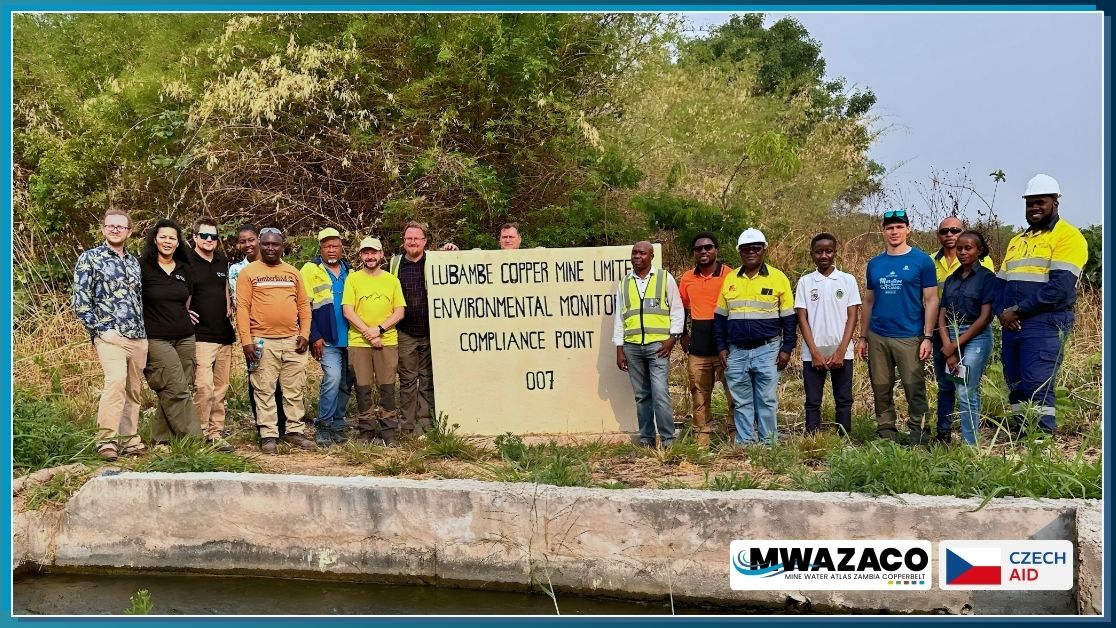
In 2025, the MWAZACO project completed its first year of implementation in Zambia’s Copperbelt Province, laying the institutional, analytical and technical foundations for long-term improvements in mine water management. Supported by the Czech Development Agency, MWAZACO was designed as a multi-year initiative. Rather than focusing immediately on construction or technical installation, the first year concentrated…
-
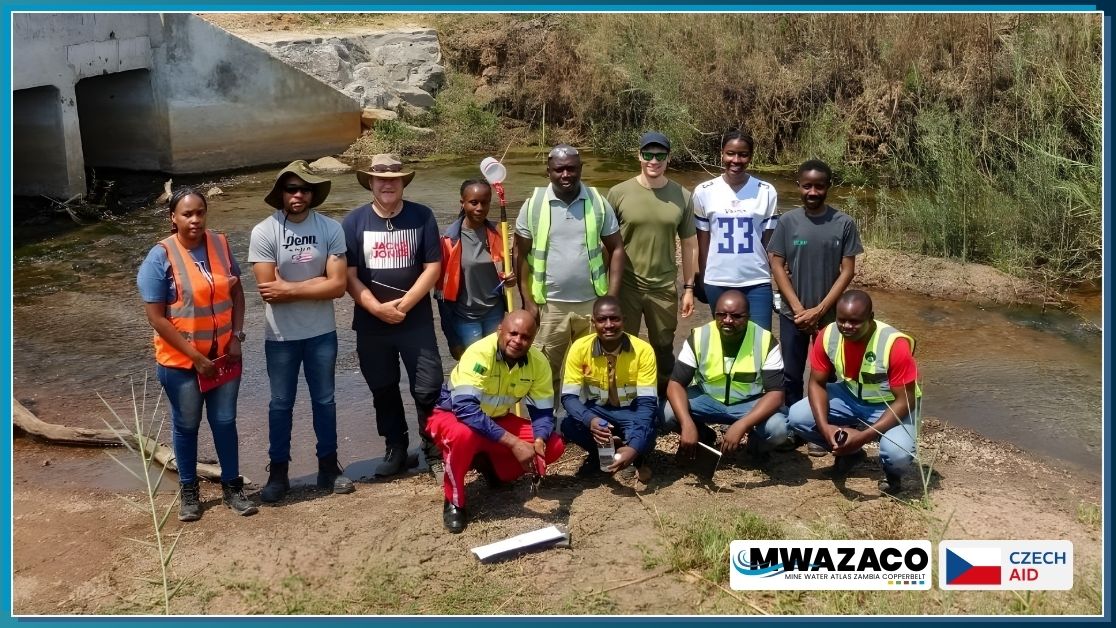
In 2025, MWAZACO launched a series of practical field workshops aimed at strengthening local expertise in hydrogeology and environmental risk assessment. The training targeted students and academic staff of Copperbelt University, as well as inspectors from the Mines Safety Department. From Theory to Field Practice Initial assessments revealed that while laboratory facilities were relatively well…
-
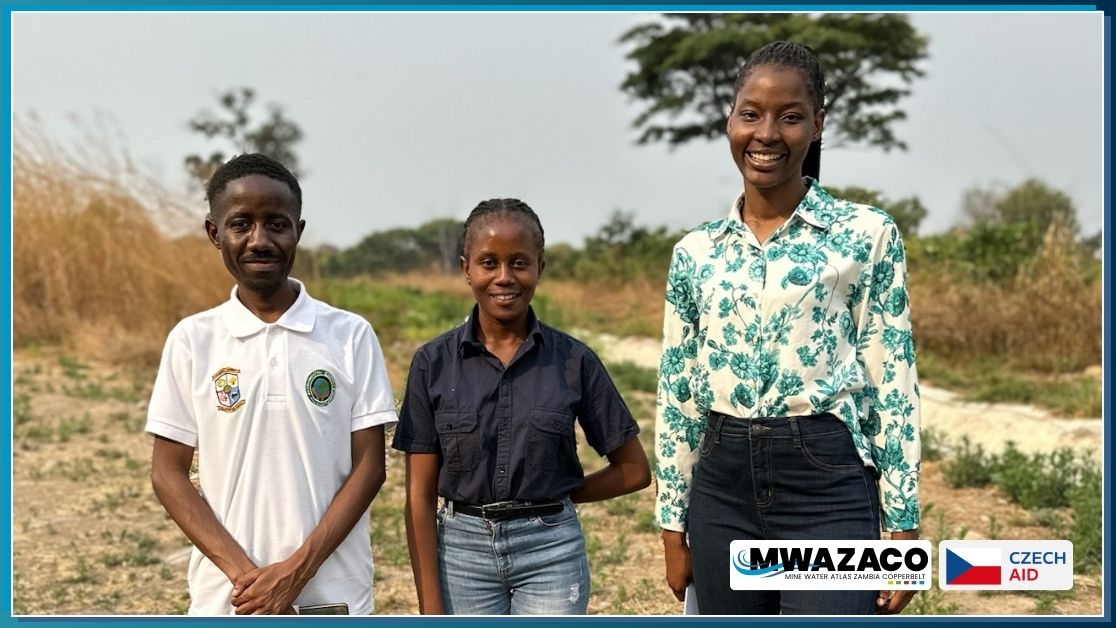
Capacity building is not only about infrastructure, but it is also about people. In 2025, MWAZACO actively engaged master’s students from Copperbelt University (CBU) in practical project activities, ensuring that technical knowledge is transferred to the next generation of professionals. Rather than passive observation, students participated directly in core project tasks. Practical Involvement in Field…
-

One of the most significant milestones of 2025 was the establishment of a formal cooperation network linking key national institutions and international partners involved in mine water management. Effective environmental management requires trust, coordination and access to reliable data. Recognising this, MWAZACO focused intensively on building structured partnerships across government authorities, academia and development actors.…
-
In 2025, MWAZACO took a major step toward long-term sustainability by launching the foundational phase of a new Center of Excellence (CoE) at Copperbelt University (CBU). The Center is designed to become a national platform for applied research, monitoring and practical training in the field of mine and groundwater management. Rather than functioning as a…
-
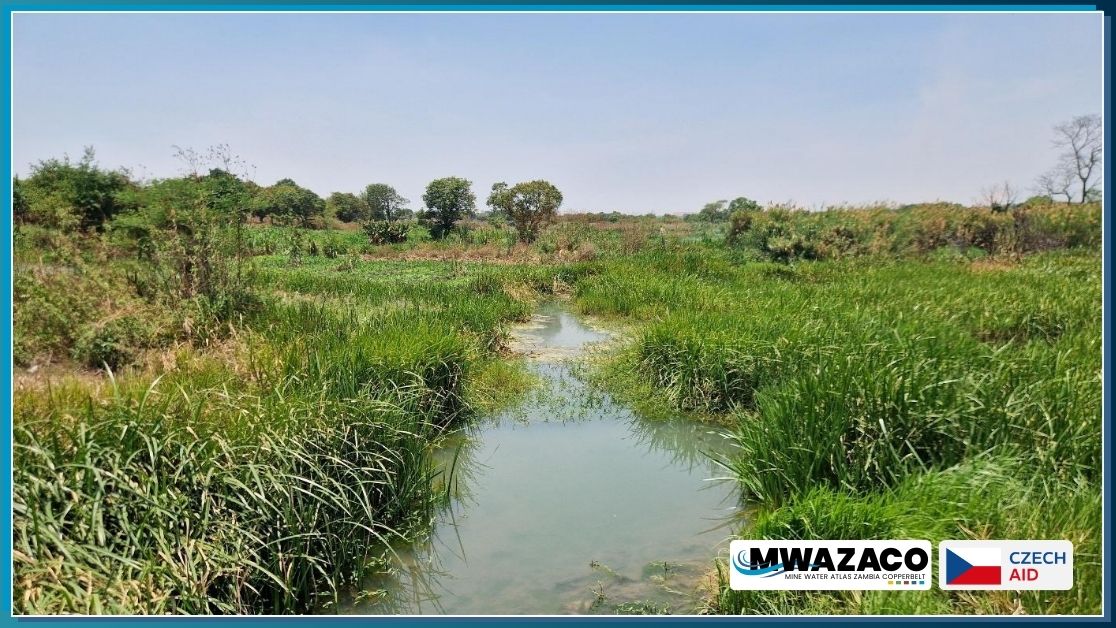
In parallel with site prioritisation, MWAZACO conducted a broader field survey in 2025 to identify potential water sources suitable for irrigation and, with treatment, possibly for drinking water supply. The survey covered areas around Kitwe, Chingola, Luanshya and surrounding communities. Sampling Across Diverse Water Sources The field campaign documented a wide spectrum of water sources,…
-
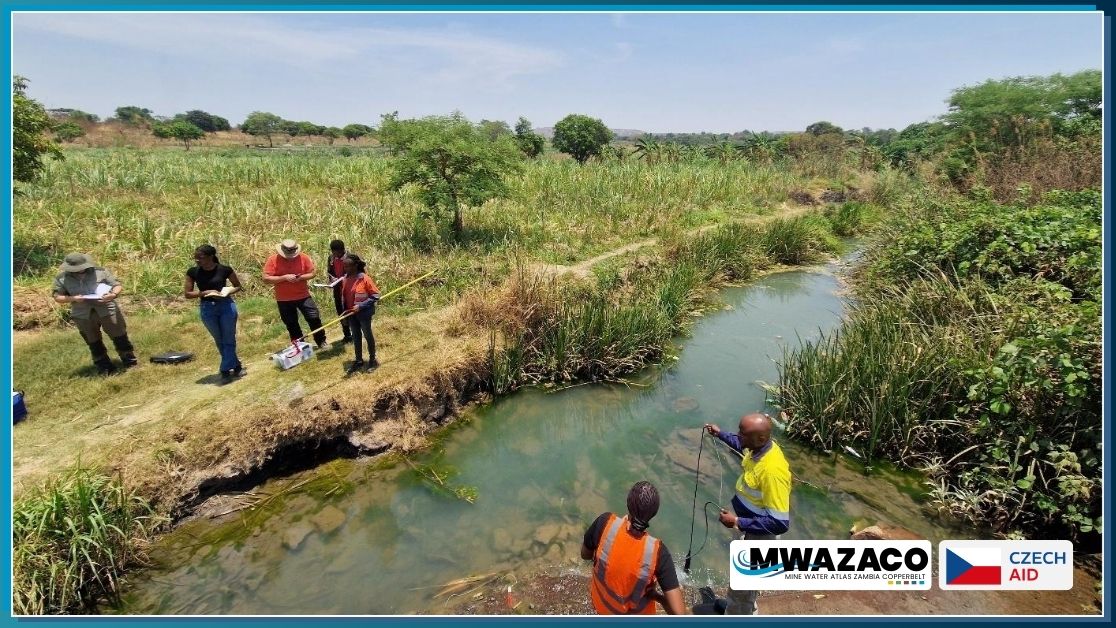
Following field sampling and preliminary water balance assessments, MWAZACO advanced in 2025 to the next strategic step: identifying locations where future water treatment solutions could bring the greatest benefit. The objective was not yet construction, but careful evaluation, combining environmental, technical and socio-economic considerations to determine where interventions may be most appropriate. A Structured Risk-Based…
-
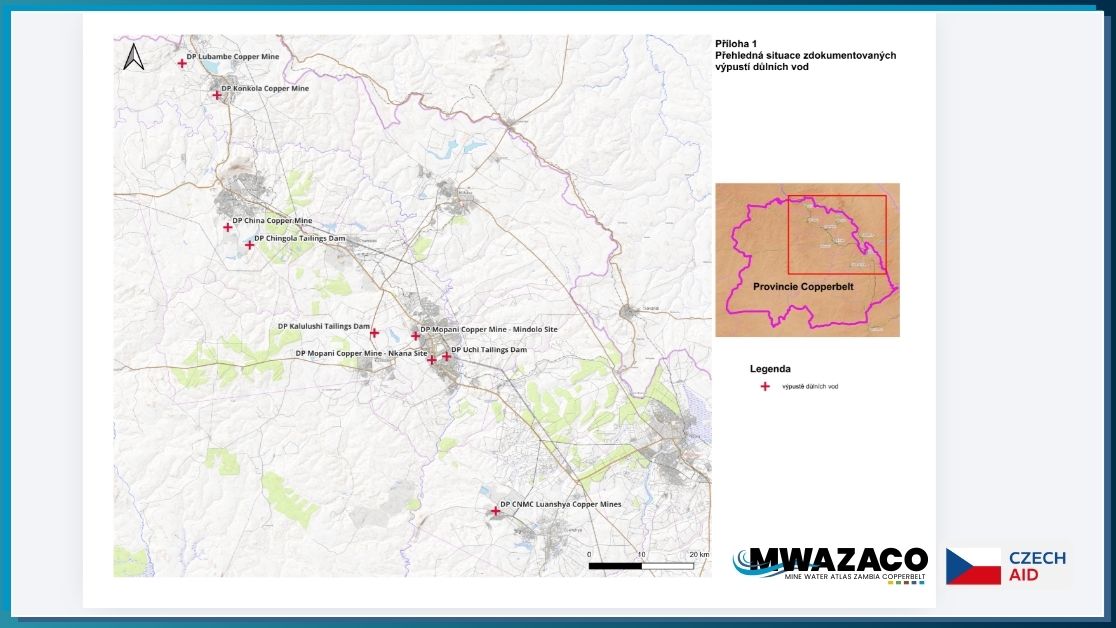
As MWAZACO moved from archival research to deeper technical assessment in 2025, one key question emerged: how much mine water is actually entering the river systems of Zambia’s Copperbelt, and what does that mean for surrounding communities? To begin answering this question, the project team conducted a preliminary assessment of usable mine water resources and…
-
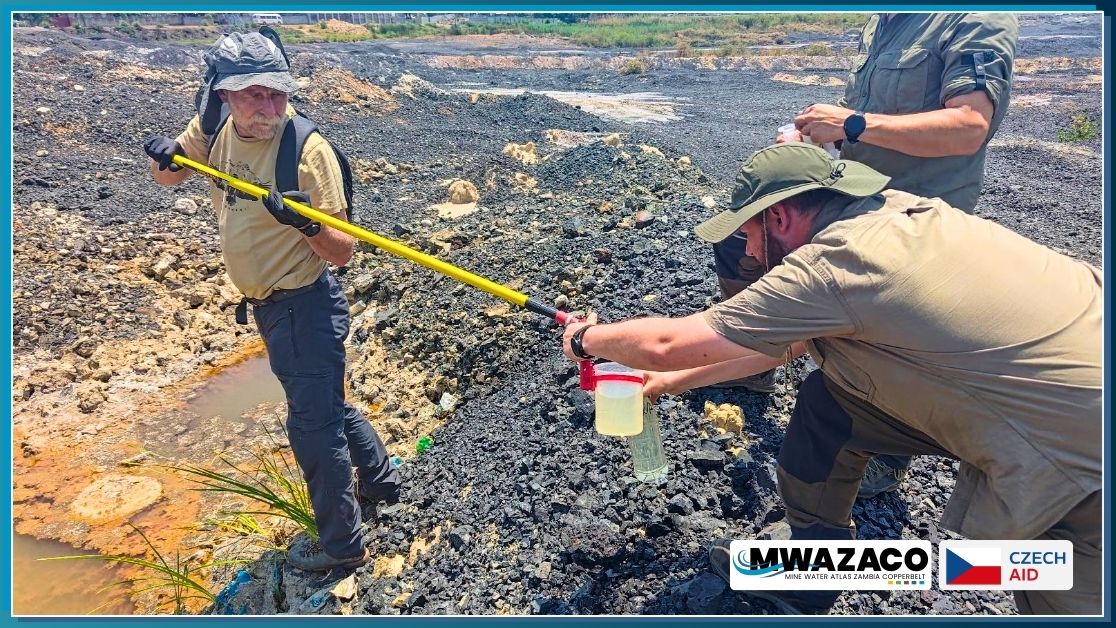
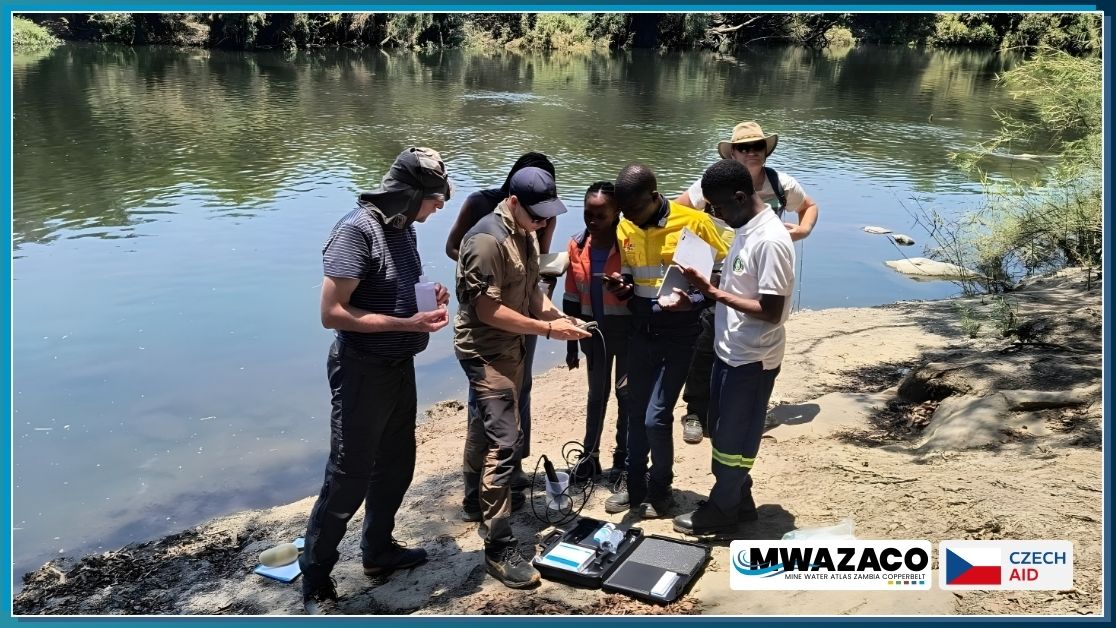
In October 2025, MWAZACO conducted its first comprehensive field campaign in Zambia’s Copperbelt Province, combining hydrochemical measurements with on-site environmental observations and community engagement. Despite temporary access limitations related to ongoing data-sharing negotiations, the project team successfully collected 17 water samples and two sediment samples from selected locations across the Mwambashi and Kafue river basins.…
-
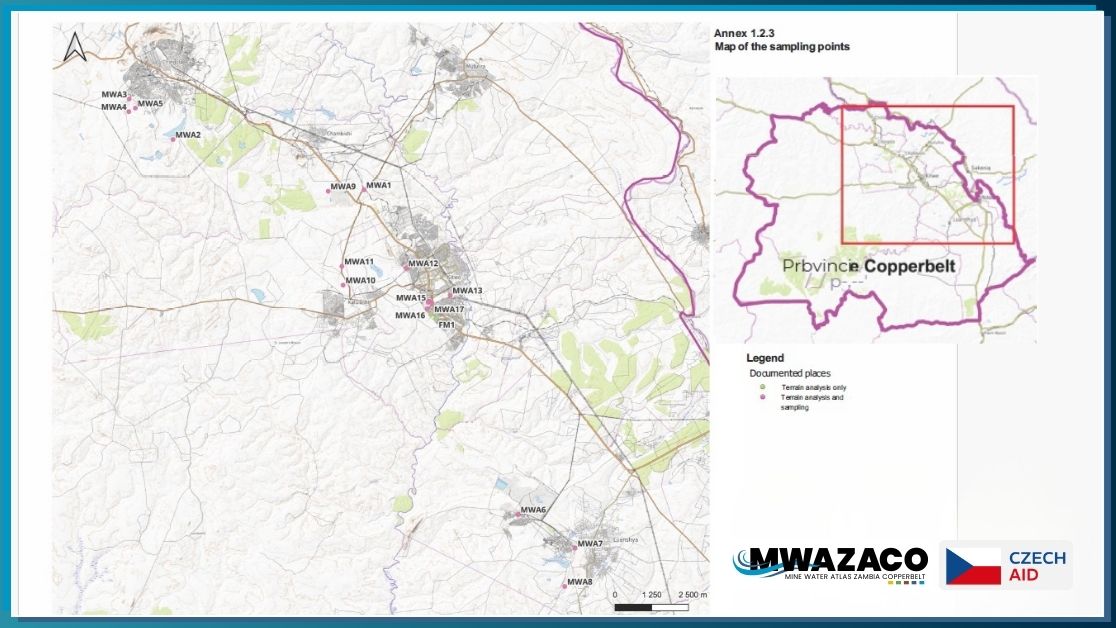
Before proposing solutions, it is essential to understand the environmental legacy of mining in the Copperbelt region. In 2025, MWAZACO began its technical work by conducting an extensive archival review of historical hydrochemical and environmental data. The research drew primarily from long-term environmental studies previously conducted by the Czech Geological Survey in Zambia. These included…